
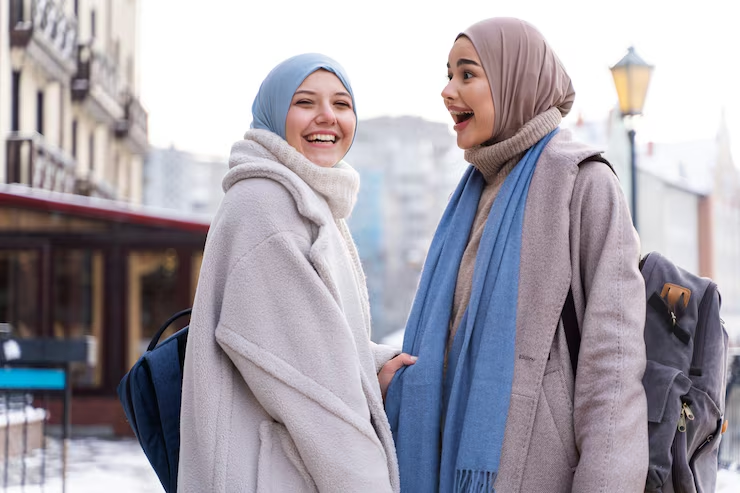
Modesty & Safety: How Muslim Women Can Navigate Foreign Cultures
Summary: Traveling as a Muslim woman offers incredible opportunities for growth, connection, and exploration. However, navigating non-Muslim majority destinations often presents unique considerations regarding visibility, modesty, and personal safety. This comprehensive guide details actionable strategies to help Muslim female travelers explore foreign cultures with confidence. From mastering localized modesty norms and navigating airport security with hijab to leveraging halal travel safety networks and managing cross-cultural interactions, these expert tips ensure a smooth, rewarding, and safe journey.
Exploring the world is a transformative experience, offering a chance to appreciate the diversity of creation and connect with people across different walks of life. For Muslim women, stepping outside familiar surroundings often adds a layer of dynamic awareness. Wearing a hijab, dressing modestly, or observing daily prayers makes a traveler visually distinct, serving as both a proud expression of faith and a visible signifier in foreign environments.
While most international destinations welcome tourists warmly, navigating foreign cultural landscapes requires a balance of cultural agility and personal safety awareness. Understanding local customs, anticipating common travel scenarios, and dressing thoughtfully allow you to honor your values while protecting your well-being.
Whether you are embarking on a solo adventure, traveling with friends, or taking a solo trip for the first time, mastering Muslim women travel etiquette will help you move through any destination with confidence, ease, and peace of mind.
Navigating Modesty Norms Across Cultures
Modesty is interpreted and expressed in various ways around the globe. In some regions, vibrant colors and flowing garments are standard, while in others, minimalist or tailored attire blends in more naturally.
1. Research Local Dress Standards
Before arriving, look beyond general tourist dress codes and research how local women dress in public, particularly in religious or conservative sites.
- Adapting Style Without Compromising Faith: You can easily maintain full Islamic modesty while adopting local textures or silhouettes. For instance, lightweight linen sets work well in tropical climates, while layered trench coats and wide-leg trousers offer warmth and style in European winters.
- Neutral Palette for Low Visibility: If your goal is to minimize unwanted attention, consider packing neutral or earth-toned outfits. Highly vibrant colors or ornate patterns can draw additional eyes in places where simple, muted clothing is the norm.
2. Respect Local Sacred Spaces
When visiting religious or historical landmarks of other faiths (such as cathedrals, temples, or historic sites), observe local etiquette regarding quietness and respectful posture. Demonstrating respect for local customs often fosters mutual respect in return.
Essential Halal Travel Safety Strategies
Prioritizing your physical security and peace of mind lets you focus entirely on enjoying your journey. Combining general safety practices with tailored halal travel safety measures ensures a smooth experience.
1. Choose Accommodation Strategically
Your choice of lodging plays a massive role in your safety and comfort:
- Neighborhood Selection: Opt for well-lit, centrally located neighborhoods with high foot traffic and easy access to public transit. Avoid booking stays in isolated areas or nightlife-heavy districts.
- Property Security: Choose hotels or guesthouses with 24/7 front desk staff, secure keycard entry, and reliable reviews from solo female travelers.
2. Secure Your Essentials During Transit
Navigating airports, train stations, and public buses with luggage requires heightened awareness:
- Hijab-Friendly Security Screening: When passing through airport security, wear a hijab styled with non-metallic pins or a simple pull-on instant hijab to avoid setting off metal detectors. Know your rights: in most international airports, you have the right to request a private screening room with a female officer if a secondary search of your headscarf is required.
- Keep Digital Copies of Documents: Store digital scans of your passport, visa, identification, and emergency contact numbers in a secure cloud storage folder accessible from your phone.
Managing Cross-Cultural Interactions with Grace
Interacting with locals is often the highlight of any journey. Having a clear set of boundary-setting strategies helps keep these interactions pleasant and safe.
1. Setting Clear Physical Boundaries
Cultural norms regarding personal space, handshakes, and eye contact vary significantly.
- Handshakes and Greetings: If you prefer to avoid physical contact with unrelated men, a warm smile accompanied by placing your right hand over your heart is a universally recognized, polite gesture that communicates respect without physical contact.
- Firm, Polite Communication: If an interaction feels overly intrusive or uncomfortable, maintain a neutral tone, state your boundary firmly, and move toward a crowded, well-lit public area or a staff member.
2. Building Connections Through Shared Curiosity
Most people you meet are genuinely curious about foreign visitors. Entering conversations with warmth and patience often dispels stereotypes and creates memorable bridges of cross-cultural understanding.
+——————————————————–+
| BEFORE YOU GO |
| – Research local safety & cultural dress norms |
| – Save digital document copies & emergency numbers |
| – Download offline maps and translation apps |
+——————————————————–+
│
▼
+——————————————————–+
| IN TRANSIT |
| – Use pin-free or instant hijabs for security checks |
| – Keep valuables in a secure, cross-body bag |
| – Stay aware in high-density transit hubs |
+——————————————————–+
│
▼
+——————————————————–+
| AT DESTINATION |
| – Stay in well-lit, secure accommodations |
| – Use respectful gestures for physical boundaries |
| – Connect with local Muslim networks or halal apps |
+——————————————————–+
Quick Reference: Cultural Etiquette Checklist
| Travel Scenario | Potential Challenge | Recommended Action |
| Airport Security | Metal pins triggering scanners; secondary searches | Wear pin-free headscarves; request a female officer for private screenings |
| Dining Out | Identifying suitable food options in non-Muslim areas | Use dedicated halal finder apps; opt for vegetarian/seafood options |
| Daily Prayer (Salah) | Finding quiet, clean spaces to pray on the go | Carry a lightweight pocket prayer mat; utilize quiet spaces in museums or parks |
| Navigating Public Transport | Unwanted attention or crowded spaces | Ride in women-only train cars (where available); stay alert near exits |
Frequently Asked Questions (FAQ)
How can I find safe places to perform prayer while exploring a non-Muslim majority city?
Carrying a compact, waterproof pocket prayer mat in your daypack allows you to pray comfortably almost anywhere. Quiet corners of public parks, art galleries, airport multi-faith rooms, or discreet areas of historical sites work wonderfully. Alternatively, offline Qibla compass apps can help you quickly orient yourself in your hotel room before heading out for the day.
What should I do if I experience verbal harassment or prejudice while abroad?
Your safety is always the absolute priority. Do not engage with or escalate situations with hostile individuals. Walk calmly and directly into a nearby store, hotel lobby, or restaurant. Notify local staff, security officers, or transit personnel immediately. Always keep emergency local contact numbers and your country’s embassy details saved on your phone.
Is solo travel safe for Muslim women?
Yes, millions of Muslim women travel solo safely and fulfilling every year. The key lies in thorough preparation: choosing safe destinations, booking reliable accommodations, staying connected with family back home via live location sharing, and trusting your intuition if a situation feels unsafe.
Embracing the World with Confidence
Navigating foreign cultures as a Muslim woman is a deeply rewarding experience that combines personal faith with global exploration. By incorporating practical cultural tips for muslim women, respecting local environments, and prioritizing your safety, you can step out into the world with confidence and poise. Every journey is an opportunity to learn, share, and create unforgettable memories while staying true to who you are.