



Complete Guide to Preparing for Hajj: What Every Muslim Should Know
Introduction: Why Hajj Preparation Matters
The Hajj is the sacred pilgrimage that every physically and financially able Muslim strives to undertake at least once. Preparing for Hajj requires thoughtful planning—spiritually, physically, and logistically—to make your journey to Mecca smooth, comfortable, and focused on worship. A detailed hajj preparation guide ensures not only you perform rituals correctly but also maintain health, peace of mind, and halal travel standards from home to the Holy Lands.
Spiritual Preparation: Building Intention and Knowledge
Before embarking on Hajj, invest time in spiritual readiness.
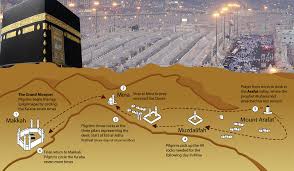
- Renew your intention (niyyah) and learn the meaning behind each ritual: Ihram, tawaf, sa’i, standing at Arafat, and the symbolic stoning at Mina.
- Study authentic resources and attend seminars at local mosques or online to understand the fiqh of Hajj, what breaks Ihram, and how to fulfill all obligations.
- Seek forgiveness, pay off debts, and resolve disputes with family and friends so you can embark with a clear heart and mind.
- Pray for guidance, ease, and the ability to perform Hajj sincerely and completely.
Practical Hajj Preparation Guide: Physical and Health Readiness
Hajj involves considerable walking in crowded and sometimes hot conditions.
- Get a health checkup: Address chronic conditions and ensure up-to-date vaccinations (especially for meningitis, flu, and COVID-19 if required).
- Pack the essentials: Ihram garments, comfortable footwear, unscented toiletries, sunscreen, reusable water bottle, and a small first-aid kit.
- Bring necessary medications: With prescriptions, and translate them into Arabic in case of emergencies.
- Increase endurance: Walk regularly to build stamina and practice carrying your day bag.
- Stay hydrated, eat nutritious food, and avoid exhaustion during travel and rituals.
Travel Planning: Organizing Your Pilgrimage Logistics
Proper planning means more time for worship and less stress.
- Choose a reputable Hajj operator: Select from agencies with clear halal travel Mecca credentials, government accreditation, and positive reviews.
- Sort your paperwork: Passport, visa, travel insurance, and health documents should be gathered at least 2 months in advance.
- Understand your itinerary: Know your arrival airport in Saudi Arabia, accommodation details, transportation modes, and meal arrangements—ideally, halal-certified.
- Pack smart: Limit non-essentials; focus on lightweight, modest clothing, including extra Ihram in case of emergencies.
- Financial planning: Bring cash and international cards that work in Saudi Arabia. Keep emergency contact numbers and embassy details handy.
Muslim Pilgrimage Tips: Making Rituals and Community Easier
Navigating Hajj’s intense schedule is easier with practical advice.
- Travel in groups when possible: Group leaders offer helpful guidance and support in unfamiliar surroundings.
- Respect local and Saudi customs: Dress modestly, observe prayer etiquette, and be mindful of diverse cultures in Mecca.
- Keep valuables secure: Use money belts and lock hotel safes when possible.
- Schedule rest periods: Long days of worship require strategic breaks for hydration, prayer, and reflection.
- Network with other pilgrims: Sharing resources and stories can enrich your Hajj journey.
Maintaining Halal Travel Standards in Mecca
Saudi Arabia upholds strict halal food standards, but check with your travel provider about meal plans.
- Opt for halal-certified hotels and restaurants near the Haram for ease and quality.
- Inform food staff of any allergies or dietary restrictions in advance.
- Stay modest in public spaces and follow local health and safety protocols.
- Confirm prayer times with local apps or mosque announcements—Mecca’s schedule varies slightly from other regions.
Safety and Emergency Preparedness
Hajj can be physically and emotionally challenging, so be ready for emergencies.
- Memorize emergency procedures and local emergency numbers.
- Familiarize yourself with routes to the nearest hospitals and clinics.
- Carry personal ID, your Hajj operator’s details, and a list of trusted contacts at all times.
- Stay updated with local news or messages from Saudi authorities during your stay.
Reflective Practices: Maximizing Your Spiritual Experience
- Keep a small journal: Reflect on your spiritual growth, worship, and memories each day.
- Engage in extra prayers, Quran recitation, and dhikr throughout every moment.
- Offer charity and help fellow pilgrims — Hajj is a chance to serve and grow in humility.
- Complete rituals with sincerity and perseverance, and pray for acceptance and future opportunities for pilgrimage.
Conclusion: Journeying to Mecca with Confidence
Hajj preparation is an act of worship itself—requiring research, sincerity, and attention to faith, health, and logistics. With this comprehensive guide, every Muslim can embark on their pilgrimage ready to embrace each ritual, connect deeply with the community, and honor the sacredness of Mecca’s holy lands in a halal, health-minded way.
May your Hajj be accepted and your travels be smooth, safe, and spiritually fruitful!