


Halal Food & Prayer Facilities on Desert Safari Tours
Summary
Halal desert safaris are easiest to enjoy when you plan around food, prayer, and privacy from the start. This guide covers how to check for halal desert food, confirm prayer facilities, and choose muslim-friendly safaris that keep your trip comfortable and faith-aligned.
Desert safari tours can be a wonderful experience for Muslim travelers when the operator is prepared to support your needs. The biggest details to check are whether the camp serves certified halal food, whether prayer space is available, and whether the schedule leaves room for salah. With the right booking choices, halal desert safari tips can make the whole trip smooth and stress-free.
What to Check Before You Book
Ask the safari operator these questions before paying a deposit:
- Is all meat halal-certified?
- Is the camp alcohol-free?
- Do you provide prayer mats and a Qibla direction?
- Is there a quiet area for prayer?
- Can you accommodate Maghrib or Isha prayer timing during dinner?
If the answers are unclear, choose another operator. A good muslim-friendly safari should explain its food and prayer setup clearly.
Halal Desert Food Basics
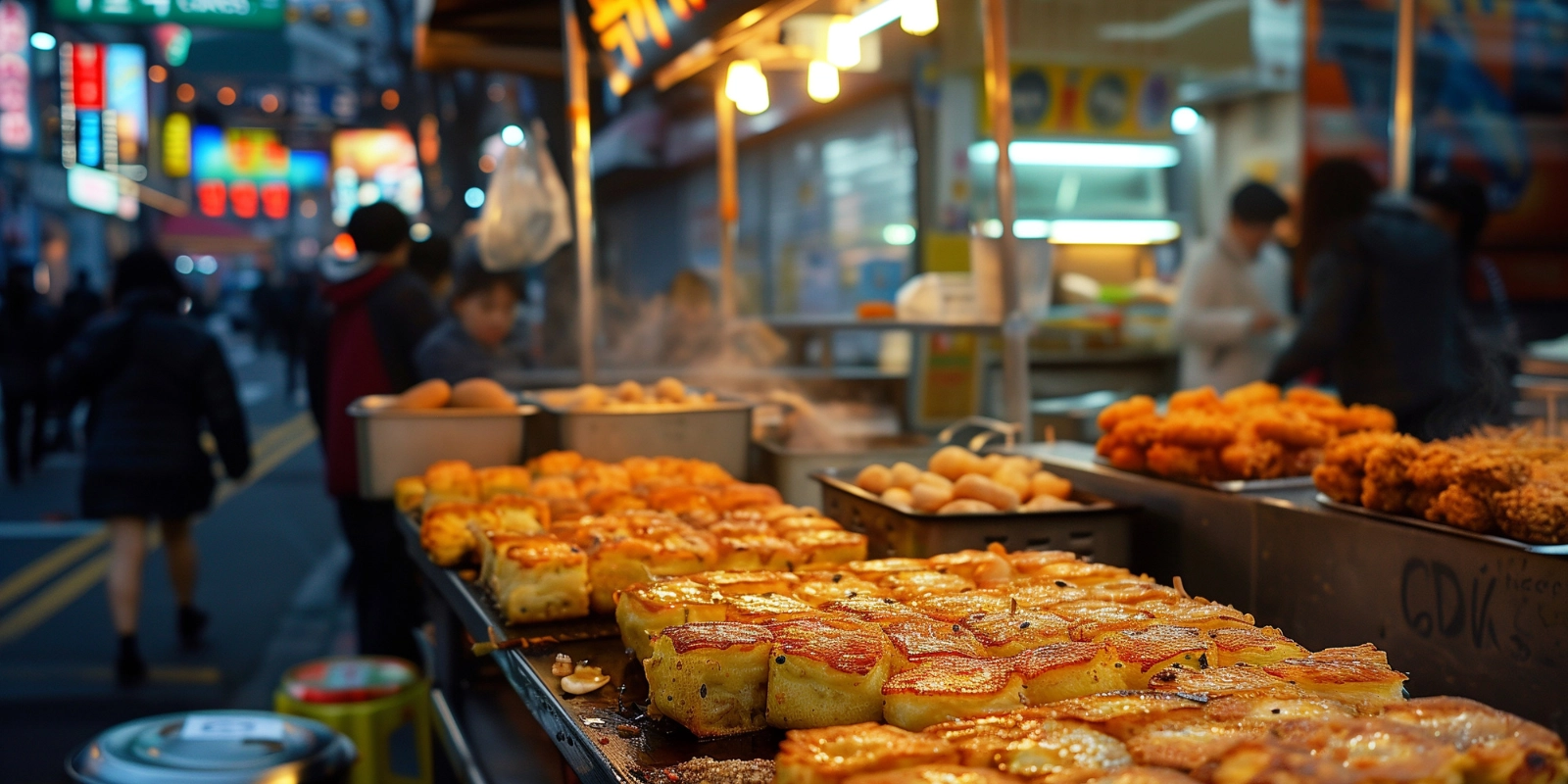
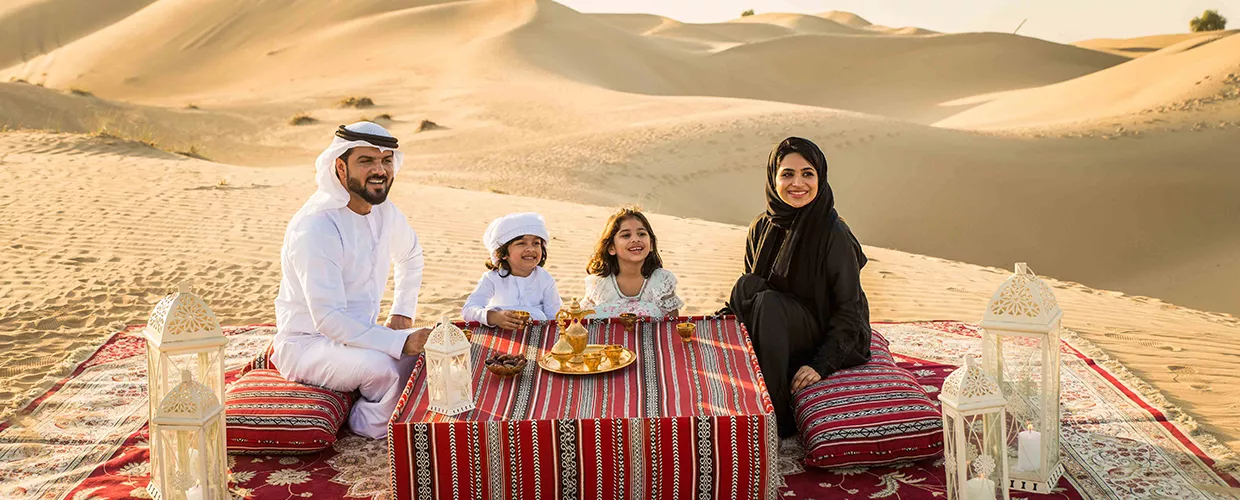
Halal desert food usually includes grilled chicken, lamb, rice dishes, flatbreads, salads, dates, and fruit. Many desert camps also offer vegetarian menus, which can be a safe backup if you are unsure about meat sourcing. It is smart to ask whether the barbecue area uses separate utensils and grills for halal preparation.
Here are the most reliable food checks:
- Confirm the meat supplier or halal certification.
- Ask if sauces contain alcohol or non-halal ingredients.
- Check whether snacks and desserts use halal gelatin.
- Request bottled water and sealed drinks.
Prayer Facilities in Desert Camps
Prayer facilities vary by operator, so it helps to be specific about what you need. Some premium camps have a dedicated musallah, while others simply provide a clean, quiet corner with mats. For shorter tours, you may need to pray in your seat or in a shaded area if the group is moving between activities.
Look for these signs of a prayer-friendly camp:
- Prayer mats available on request.
- A clean area away from entertainment noise.
- Qibla direction marked or available through staff.
- Time built into the itinerary for Maghrib or Isha.
Best Time to Pray on Safari
Desert tours often work best when you plan prayers around the schedule rather than trying to fit prayer into a rushed moment. Sunset safaris are especially good because Maghrib can align naturally with the evening camp stop. If you are on a longer trip, try to perform Dhuhr and Asr before the hottest part of the day or during a rest break.
A simple approach works well:
- Pray before pickup if possible.
- Use a stop or meal break for Dhuhr/Asr.
- Plan Maghrib at sunset.
- Confirm Isha timing before returning to the hotel.
Smart Packing for Muslim-Friendly Safaris
Bring a few small items and you will feel much more prepared.
- Portable prayer mat.
- Light scarf or shawl.
- Power bank for prayer apps.
- Bottled water.
- Wet wipes or tissue.
- Small bag for shoes and personal items.
These basics make it easier to pray cleanly and comfortably, especially in open desert settings.
Choosing a Muslim-Friendly Safari Operator
A truly muslim-friendly safari is not just about food. It should also respect modesty, prayer time, and family comfort. Operators that specialize in halal travel usually understand these needs better than general tour companies.
Choose an operator that offers:
- Halal-certified meals.
- Alcohol-free camps.
- Private or family seating.
- Female guides or women-only options when needed.
- Flexible timing for prayer breaks.
Sample Halal Desert Safari Flow
A good halal desert safari often looks like this:
- Hotel pickup after Dhuhr or late afternoon.
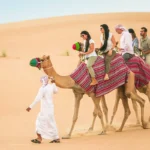
- Dune ride or camel activity.
- Sunset stop for photos and prayer.
- Halal dinner at camp.
- Short cultural show or stargazing.
- Return transfer after Isha.
This timing keeps the adventure enjoyable without making prayer feel like an interruption.
Common Mistakes to Avoid
- Assuming “vegetarian” means fully halal.
- Forgetting to ask about alcohol in the camp.
- Booking without checking prayer timing.
- Not carrying a prayer mat or scarf.
- Choosing the cheapest option without checking food standards.
A little planning prevents most of the stress.
Conclusion
The best halal desert safari tips come down to simple checks: halal food, prayer space, and a respectful operator. When those three things are in place, muslim-friendly safaris become much easier to enjoy, and halal desert food can be part of a relaxed, faith-conscious adventure.