



Traveler’s Guide to Halal Street Food Safety & Hygiene
Summary
Street food fuels global adventures but demands smart choices for safe halal street food enjoyment. This guide equips Muslim travelers with proven muslim food hygiene travel strategies—spotting fresh carts, verifying halal status, and avoiding hidden risks—to savor skewers, noodles, and sweets confidently anywhere from Bangkok bazaars to NYC carts.
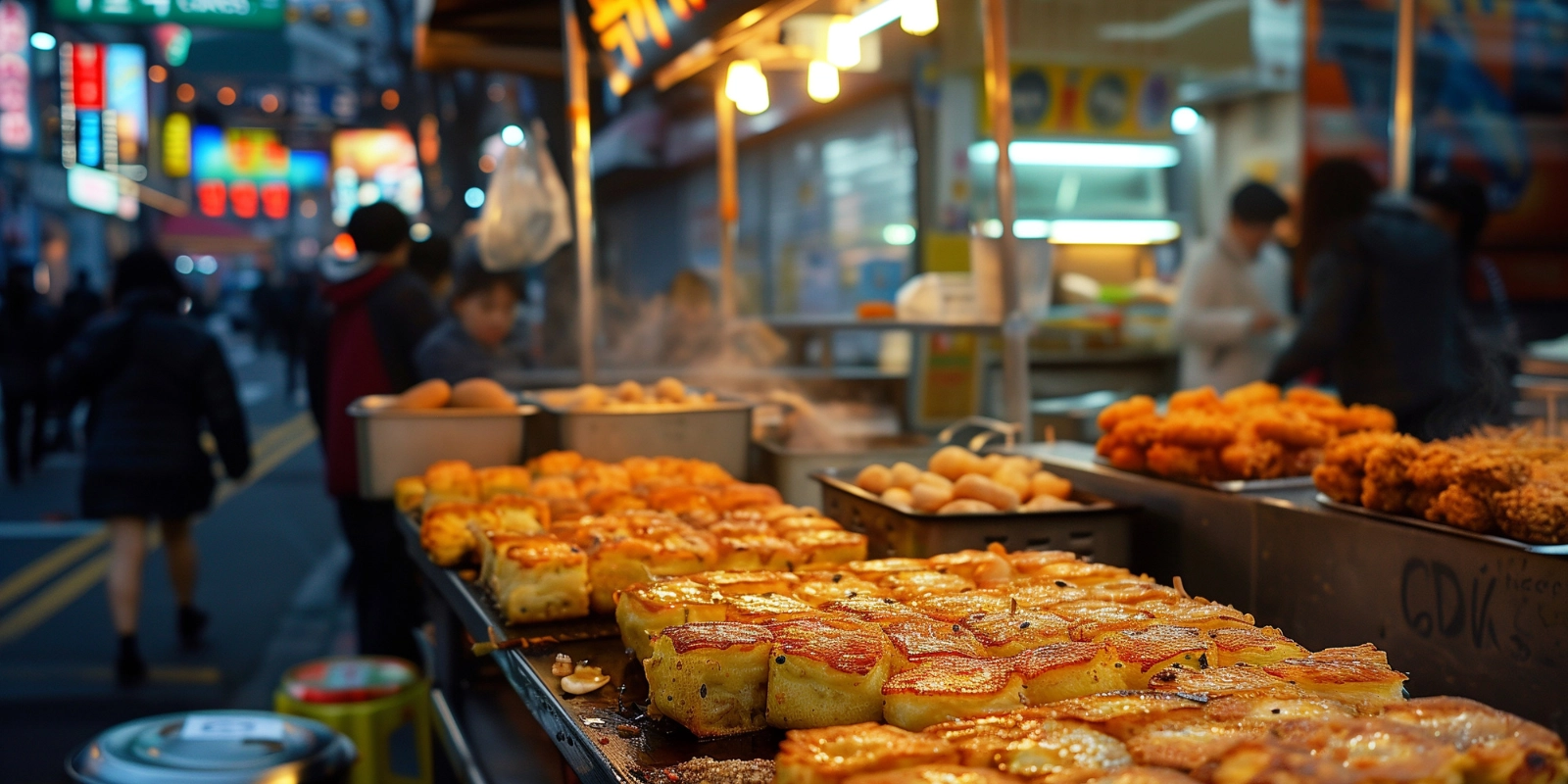
Street food captivates with its sizzle and spice, but Muslim travelers must balance thrill with caution for safe halal street food. Busy markets guarantee halal abundance naturally, yet hygiene pitfalls like cross-contamination or stagnant sauces threaten even certified stalls. These halal eating tips, drawn from seasoned wanderers, ensure vibrant feasts without digestive drama.
Spotting Trustworthy Halal Street Vendors
Choose wisely using these visual cues:
- High Turnover Rules: Long lines of locals signal fresh cooking—stagnant stalls breed bacteria.
- Cleanliness Check: Spotless cutting boards, gloves separating cash from food, and steaming surfaces pass inspection.
- Hot & Fresh Priority: Piping-hot dishes kill pathogens; avoid lukewarm meats or pre-cut veggies.
- Halal Verification: Seek “halal” stickers, busy Muslim-run carts near mosques, or certification logos like JAKIM or HFA.
Women and children in line often indicate family-safe spots with milder prep.
Essential Muslim Food Hygiene Travel Practices
Protect yourself proactively:
| Risk Area | Red Flags | Safe Choice |
| Meat Skewers | Raw pink centers | Fully grilled, juicy exteriors |
| Sauces/Chutneys | Open containers | Freshly made portions |
| Salads/Fruits | Unpeeled, watery | Cooked veggies only |
| Drinks | Ice cubes, tap water | Bottled/sealed, no ice |
| Handling | Bare hands on money/food | Gloves or tongs |
Hand Hygiene: Sanitize before eating; carry wipes for sticky stalls.- Eat Peak Hours: Lunch/dinner rushes mean maximum freshness.
- Avoid Dairy: Unless steaming fresh; street milkshakes risk spoilage.
Halal-Specific Eating Tips for Travelers
Street halal shines naturally in Muslim regions, but global vigilance matters:
- Cross-Contamination Watch: Confirm separate grills/utensils for meats—no pork shadows.
- Shellfish Caution: Fresh coastal catches fine; inland stalls risky.
- Label Scrutiny: Packaged snacks (samosas, dates) need ingredient checks.
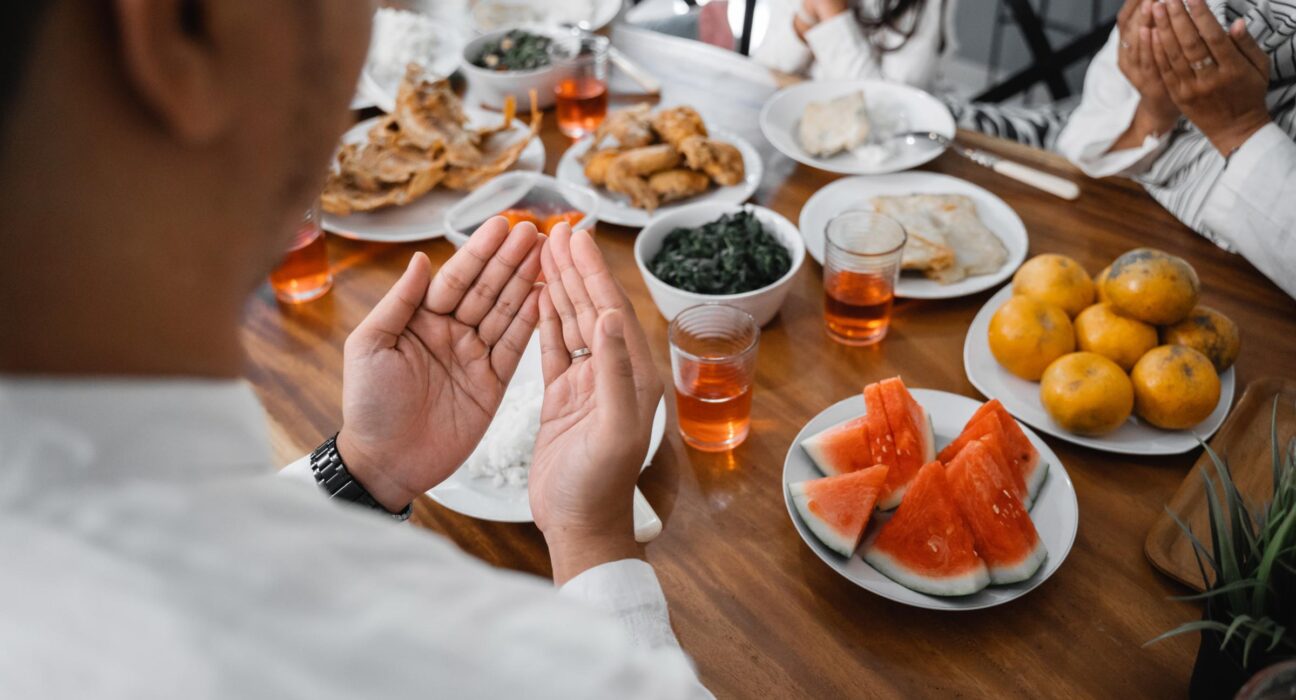
- Ramadan Strategy: Iftar carts safest—post-fast crowds demand perfection.
Pack a travel fork, wet wipes, and azan app for prayer-timed pit stops.
Country-Specific Safe Halal Street Food Strategies
Southeast Asia (Malaysia/Indonesia): Jalan Alor satay thrives on turnover; skip watery laksa.
Middle East (Istanbul): Hoca Paşa kebabs steam reliably; avoid pre-sliced doner.
South Asia (India/Pakistan): Mumbai bhai stalls excel; dodge cut fruits.
Western Cities (NYC/Toronto): Certified carts like Halal Guys prioritize hygiene for tourist crowds.
Common Mistakes & Fixes
- Mistake: Trusting empty stalls. Fix: Queue with locals.
- Mistake: Sauce overload. Fix: Sample first; request fresh.
- Mistake: Raw veggie sides. Fix: Stick to grilled/cooked.
- Mistake: Ice drinks. Fix: Sealed bottles only.
Build tolerance gradually—start conservative, expand boldly.
Packing List for Hygienic Street Feasts
- Hand sanitizer spray (alcohol-free)
- Wet wipes packets
- Collapsible fork/spork
- Reusable water bottle
- Anti-bacterial ziplock bags
- Probiotic supplements
- Halal verification app (HalalTrip/Zabihah)
Sample Safe Street Food Day: Bangkok Edition
Morning: Chatuchak moo ping—hot grill check.
Lunch: Busy pad thai cart; bottled water.
Evening: Night market satay; sanitize pre-bite.
Conclusion
Safe halal street food transforms risky stalls into flavor havens through smart muslim food hygiene travel habits and halal eating tips. Prioritize hot, fresh, and busy for 2026’s tastiest adventures—eat boldly, stay healthy.